The Future of Renewable Energy in Africa: Solar Power Leading the Way
Africa is poised at a critical juncture in its energy journey, with the future of renewable energy shining brighter than ever. As the world moves towards a more sustainable and carbon-conscious future, Africa, with its abundant natural resources, is embracing renewable energy sources to drive its development. Among these sources, solar power stands out as a game-changer, offering immense potential for energy independence, economic growth, and environmental sustainability. This blog explores how solar energy is leading the charge in Africa’s renewable energy landscape and how technology is leveraging it to promote sustainability and safety in underserved communities.
The Rising Need for Renewable Energy in Africa
As Africa’s population continues to grow, so does its energy demand. However, the continent faces significant challenges in providing reliable and affordable energy to all of its inhabitants. According to the International Energy Agency (IEA), over 600 million people in Africa still lack access to electricity, and this energy poverty is a major barrier to development. Traditional energy sources, such as fossil fuels, have been insufficient, expensive, and environmentally harmful. For this reason, renewable energy, particularly solar power, has emerged as a viable solution to bridge the energy gap.
Africa is one of the sunniest continents in the world, receiving an abundance of solar radiation throughout the year. This makes solar energy not only the most sustainable choice but also the most cost-effective in the long run. Solar power systems can be deployed in various forms, from large-scale solar farms to smaller off-grid solutions, which is particularly beneficial for remote and rural communities that are often neglected by national energy grids.
Solar Power Driving Sustainability and Energy Independence
Solar energy is transforming the way energy is generated and consumed in Africa. Unlike traditional energy systems that rely on centralized power plants, solar power allows for decentralized generation. This means communities can harness solar energy locally, reducing the need for long-distance power transmission and minimizing energy loss. By tapping into this abundant resource, African countries are taking significant steps toward energy independence.
Several countries, such as Kenya, South Africa, and Morocco, have already made significant investments in large-scale solar farms, contributing to the continent’s growing renewable energy capacity. For instance, the Noor Ouarzazate Solar Complex in Morocco, one of the world’s largest solar power plants, has positioned the country as a leader in solar energy production. Similarly, Kenya’s successful implementation of the Lake Turkana Wind Power Project and solar solutions like M-KOPA Solar in East Africa are not just powering homes but also creating new business opportunities, boosting local economies, and improving lives.
Moreover, solar power’s scalability and adaptability make it an ideal solution for Africa’s diverse energy needs. For rural and off-grid areas, solar-powered mini-grids and home solar systems provide affordable and reliable electricity where it would otherwise be impractical or too expensive to build infrastructure. This not only provides access to lighting, cooking, and refrigeration but also opens up opportunities for education, healthcare, and economic growth.
Technology for Sustainability and Safety in Underserved Communities
While solar power is undeniably a key enabler of sustainability in Africa, its integration with technology further amplifies its impact, especially in underserved communities. Modern solar technologies are increasingly being paired with innovations that address both energy and safety concerns, creating smarter, safer, and more sustainable solutions.
One notable example of technology leveraging solar energy for safety and sustainability is the rise of solar-powered mobile charging stations. These stations are particularly useful in remote regions, where access to reliable electricity is limited or nonexistent. By providing a safe and sustainable charging solution, solar-powered mobile stations empower individuals to stay connected, access information, and engage in business activities, all while minimizing the need for kerosene lamps and other harmful sources of light.
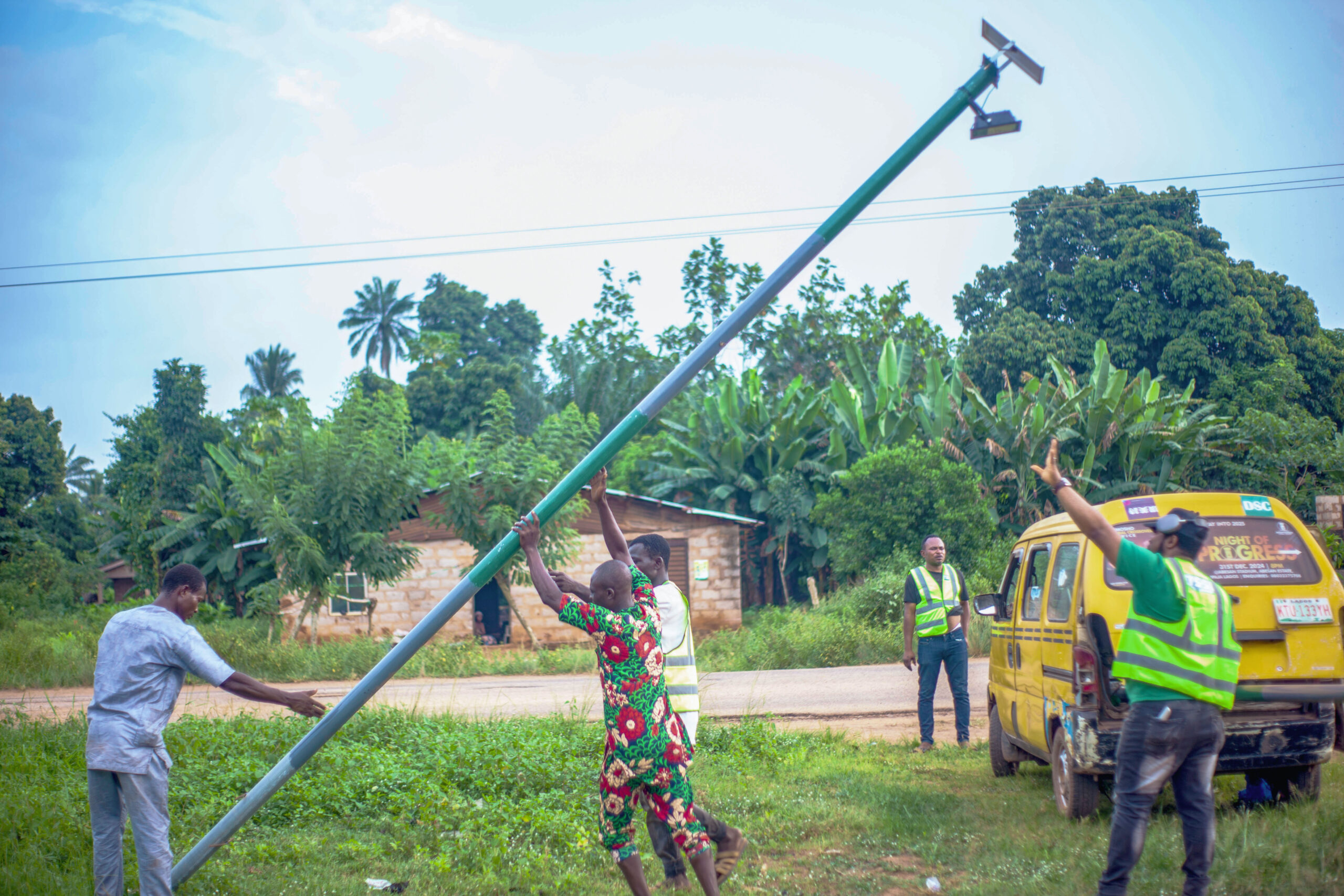
Furthermore, solar energy is playing a pivotal role in promoting safety and security in underserved communities. In many rural African areas, street lighting remains scarce, and lack of proper illumination increases the risk of crime, especially at night. Solar-powered streetlights offer a practical solution to this issue. With the integration of smart technologies such as motion sensors and automated dimming, solar streetlights enhance security, reduce energy consumption, and provide safer environments for communities after dark.
Solar-powered solutions are also making significant strides in the healthcare sector. In many African countries, healthcare facilities in rural areas suffer from unreliable electricity, hampering the delivery of essential services. Solar-powered medical refrigerators ensure vaccines and medicines are stored at the correct temperatures, while solar-powered lighting and fans improve the working conditions of health workers and the comfort of patients. Solar energy is thus not only enhancing safety but also ensuring the sustainability of healthcare services in remote areas.
The Role of Government and Private Sector in Promoting Solar Energy
For solar power to realize its full potential across Africa, both government and private sector involvement is crucial. Governments need to create favorable policies that support renewable energy adoption, provide incentives for solar companies, and ensure that energy access is inclusive. Many African nations are already taking action by setting ambitious renewable energy targets and implementing solar energy programs. For example, South Africa’s Renewable Energy Independent Power Producer Procurement Programme (REIPPPP) has attracted billions of dollars in investment to develop solar and wind energy projects.
On the other hand, the private sector is helping accelerate solar energy adoption through innovative business models and partnerships. Companies like M-KOPA Solar, SolarNow, and BBOXX are leading the way in providing affordable solar solutions to off-grid communities. By offering pay-as-you-go (PAYG) financing models, these companies make solar energy affordable for low-income households, allowing them to pay in small, manageable installments. This approach has made solar energy accessible to millions of people who would otherwise be unable to afford it.
The Future of Solar Energy in Africa
The future of solar energy in Africa is undoubtedly promising. With increasing investments in solar infrastructure, technological advancements, and supportive policies, solar power is poised to become the backbone of Africa’s energy future. Not only will solar energy help drive sustainability and economic development, but it will also contribute to energy independence and reduce the continent’s reliance on imported fuels.
As technology continues to evolve, the possibilities for solar power in Africa will only expand. Innovations such as solar-powered electric vehicles, off-grid solar systems with battery storage, and solar desalination plants are all part of the future energy landscape in Africa.
The key to unlocking the potential of solar energy lies in ensuring that underserved communities are at the forefront of this transition. By combining renewable energy solutions with modern technologies, Africa can build a sustainable, secure, and prosperous future for all its people.
Conclusion
Solar power is not just the future of energy in Africa—it’s the present. With its vast potential, solar energy is empowering African communities, improving safety, and paving the way for sustainable development. By embracing solar power and leveraging technology to solve real-world problems, Africa can lead the way in creating a cleaner, more sustainable, and energy-independent future. The future of renewable energy in Africa is here, and it’s shining brightly under the African sun.
Let’s continue to harness the power of the sun and work together to build a more sustainable, equitable, and energy-efficient Africa.
Click here to donate to TSSI.

Light Up September Campaign: How We Illuminated 3 Communities in Ogun State

15 Ways Solar Street Lights Reduce Crime in Underserved Communities